


Plants Categories
Lotuses
Varieties of lotus seedlings.
The commercial cultivation of lotus in Greece has great potential despite the view of some that it is difficult to consumer product in our country. Greece has ideal conditions in terms of climate and soil for successful commercial cultivation of lotus. The lotus comes from China, forests whose presence wildlife species is observed. From China spread to Japan and Korea. In these countries, it has a long tradition and consumed as fresh fruit as dried, but as processed.
Varieties of nurseries
KARALIOK -
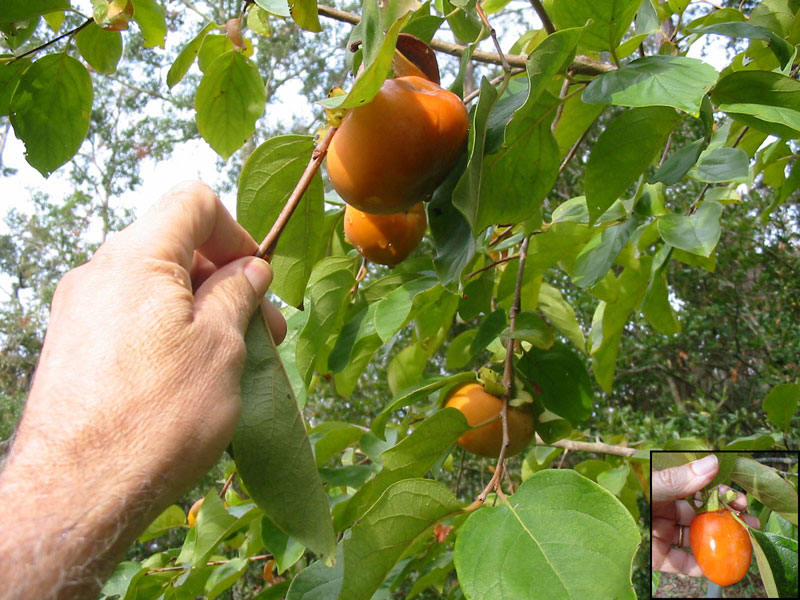
JIRO - The fruit has a mean size slightly compressed shape in longitudinal section and slightly corrugated shape in cross-section. The skin color is yellow-orange at harvest and becomes deep orange after ripening (physiological maturity). The fruit not removed with ease from the tree. The flesh is yellow when the harvest is yellow-orange (strongest near the ovary niches) after ripening. The flavor is excellent at harvest and intermediate during ripening with an average sugar content of 17%. The maturity for harvest takes place in the first ten days of November and coincides with the normal maturation (consumption). widely cultivated in Japan. The tree is of medium vigor, with lateral-orthokladi development. It bears only female flowers and presents average flowering, distributed evenly over the hair and has increased productivity.
*Some of the listed varieties are not multiplied by our nursery